
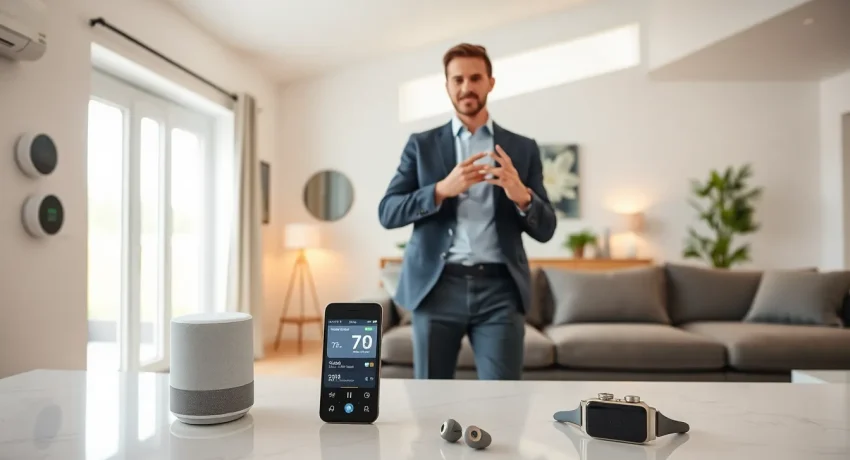

Top technology in life has reshaped how people work, communicate, and manage their health. From voice-activated assistants to fitness trackers, these innovations have become essential tools for millions worldwide. The average person now interacts with dozens of smart devices before lunchtime, often without realizing it.
This shift didn’t happen overnight. Over the past decade, technology has moved from luxury to necessity. Smartphones evolved from simple communication devices into pocket-sized computers. Home appliances gained intelligence. Healthcare monitoring left the clinic and landed on wrists everywhere.
Understanding today’s top technology in life helps people make smarter choices about the devices they use. This article explores the most impactful innovations shaping daily routines, from smart homes to artificial intelligence applications.
Table of Contents
ToggleKey Takeaways
- Top technology in life includes smart home devices, wearables, AI applications, and communication tools that have become essential for daily living.
- Smart home technology saves energy and money—households using smart thermostats reduce heating and cooling costs by 10-15% on average.
- Wearable devices like the Apple Watch and Fitbit track vital health metrics and motivate users to walk an average of 1,800 more steps daily.
- AI powers everyday tools from smartphone cameras and streaming recommendations to spam filters and real-time language translation.
- Video calling and encrypted messaging apps have transformed how people communicate, enabling seamless connections across any distance.
- 5G networks and collaboration platforms like Slack and Notion have made remote work viable for millions worldwide.
Smart Home Technology That Simplifies Daily Living
Smart home technology represents one of the most practical examples of top technology in life. These systems automate routine tasks and give homeowners greater control over their living spaces.
Voice assistants like Amazon Alexa, Google Assistant, and Apple’s Siri serve as central hubs for smart homes. Users can control lights, adjust thermostats, lock doors, and play music using simple voice commands. A 2024 survey found that 63% of U.S. households now own at least one smart home device.
Smart thermostats save energy and money. Devices like the Nest Learning Thermostat and Ecobee track usage patterns and adjust temperatures automatically. The average household saves 10-15% on heating and cooling costs after installation.
Security and Convenience Features
Smart security systems have changed home protection. Video doorbells show visitors in real-time through smartphone apps. Motion-activated cameras record footage and send instant alerts. Smart locks allow keyless entry and remote access, no more hiding spare keys under doormats.
Smart lighting systems offer both convenience and efficiency. Philips Hue and similar products let users schedule lights, change colors, and reduce energy consumption. Some systems sync with sunrise and sunset times automatically.
The integration between devices creates a connected ecosystem. A single app can control multiple brands and device types. When someone says “goodnight” to their voice assistant, the system can lock doors, turn off lights, and lower the thermostat simultaneously.
Wearable Devices Transforming Health and Fitness
Wearable devices have become a cornerstone of top technology in life, particularly for health-conscious consumers. These gadgets track vital signs, monitor activity levels, and provide insights that were once available only through medical visits.
The Apple Watch, Fitbit, and Garmin devices lead the market. They track heart rate, sleep quality, steps, and calories burned throughout the day. More advanced models detect irregular heart rhythms and blood oxygen levels. Some wearables have literally saved lives by alerting users to previously unknown heart conditions.
Fitness trackers motivate people to move more. Gamification features turn exercise into a challenge. Users compete with friends, earn badges, and track streaks. This approach works, studies show wearable users walk an average of 1,800 more steps daily than non-users.
Health Monitoring Beyond Fitness
Modern wearables extend past fitness tracking. Continuous glucose monitors help diabetics manage blood sugar levels without constant finger pricks. Smart rings like the Oura track sleep stages and body temperature with surprising accuracy.
Mental health applications have emerged too. Some devices measure stress through heart rate variability and suggest breathing exercises. Sleep tracking identifies patterns that affect mood and energy levels.
The top technology in life continues advancing in this space. Future wearables may detect early signs of illness, track hydration levels, and provide even more detailed health data. The line between consumer device and medical tool grows thinner each year.
Artificial Intelligence in Everyday Applications
Artificial intelligence powers many examples of top technology in life, often working behind the scenes. Most people use AI daily without recognizing it.
Virtual assistants rely on AI to understand speech and provide useful responses. They learn user preferences over time and deliver more accurate results. Ask about the weather, set reminders, or get restaurant recommendations, AI handles these requests in seconds.
Streaming services use AI algorithms to suggest content. Netflix, Spotify, and YouTube analyze viewing and listening habits to recommend shows, movies, and songs. These recommendations keep users engaged and help them discover new favorites.
AI in Photography and Communication
Smartphone cameras now use AI to enhance photos automatically. The software adjusts exposure, sharpens details, and identifies scene types. Portrait modes blur backgrounds convincingly. Night modes capture clear images in low light. These features make professional-quality photography accessible to everyone.
Email services employ AI for spam filtering and smart replies. Gmail suggests short responses based on message content. AI also detects phishing attempts and moves suspicious emails to spam folders before users see them.
Language translation has improved dramatically through AI. Google Translate and similar tools now handle conversations in real-time. Travelers can communicate across language barriers using their smartphones. The top technology in life has made the world smaller and more accessible.
AI-powered writing assistants help with grammar, tone, and clarity. Tools like Grammarly catch errors and suggest improvements. Some applications can summarize long documents or generate draft content.
Communication Technology Keeping Us Connected
Communication technology remains central to top technology in life. The tools people use to stay connected have evolved rapidly over the past several years.
Video calling became essential during recent global events. Zoom, Microsoft Teams, and FaceTime allow face-to-face conversations across any distance. Grandparents see grandchildren grow up. Business teams collaborate across continents. Friends maintain relationships even though physical separation.
Messaging apps have replaced traditional texting for many users. WhatsApp, Signal, and Telegram offer free messaging with end-to-end encryption. Group chats keep families and friend groups in constant contact. These apps support voice messages, file sharing, and video calls within a single platform.
Social Media and Beyond
5G networks have expanded what’s possible with mobile communication. Faster speeds and lower latency support high-quality video streaming, online gaming, and large file transfers. Rural areas are gaining access to broadband-level connectivity through mobile networks.
Social media platforms continue evolving as communication tools. Instagram, TikTok, and X (formerly Twitter) connect people through shared interests. Live streaming features allow real-time interaction between creators and audiences.
The top technology in life includes collaboration tools that changed how teams work. Slack, Notion, and Asana help groups organize projects and communicate efficiently. Remote work became viable for millions because these platforms existed.
Privacy-focused communication tools have gained popularity too. Users increasingly value encrypted messaging and data protection. This demand has pushed mainstream platforms to improve their security features.

