
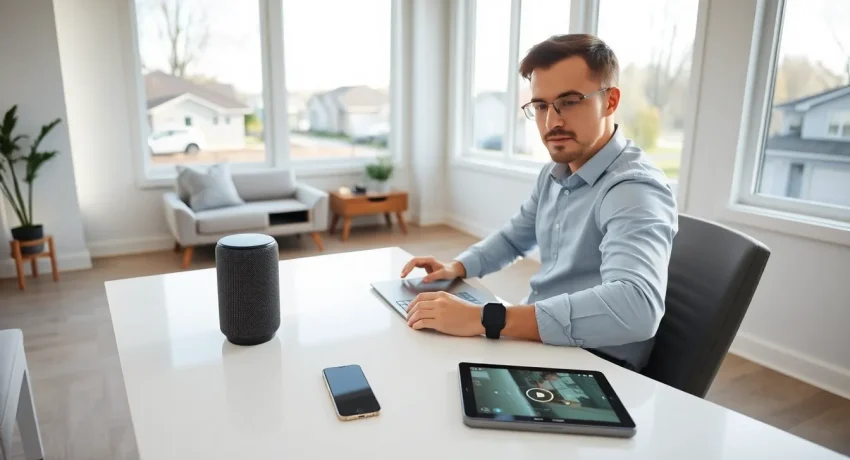

Learning how to use technology in life effectively changes everything. From morning alarms to evening streaming, digital tools shape daily routines. Yet many people use only a fraction of what their devices offer. This guide breaks down practical ways to integrate technology into everyday living. Readers will discover how smart devices simplify tasks, apps improve communication, and digital tools boost productivity. The goal isn’t to live glued to screens. It’s to use technology intentionally so life gets easier, not more complicated.
Table of Contents
ToggleKey Takeaways
- Learning how to use technology in life starts with smart devices that automate daily tasks like adjusting thermostats, brewing coffee, and cleaning floors.
- Communication apps and video calling platforms keep families and friends connected across any distance through video, messaging, and group chats.
- Productivity tools like task managers, note-taking apps, and cloud storage help organize work and prevent important information from slipping through the cracks.
- Using technology in life effectively requires setting boundaries, such as phone-free meal times and Do Not Disturb modes, to protect attention and sleep quality.
- Start small with one or two smart devices or apps per function, then expand as comfort grows to avoid overwhelm and confusion.
- Health and wellness apps turn smartphones into personal coaches by tracking fitness, guiding meditation, and monitoring nutrition.
Streamlining Daily Tasks With Smart Devices
Smart devices turn tedious chores into background operations. A smart thermostat learns household patterns and adjusts temperatures automatically. This saves energy and keeps homes comfortable without manual input. Smart plugs let users control lamps, fans, and coffee makers from their phones. Someone can start brewing coffee before getting out of bed.
Voice assistants like Alexa, Google Assistant, and Siri handle quick tasks through simple commands. Users can set timers, add items to shopping lists, check weather forecasts, and play music hands-free. These small conveniences add up throughout the day.
Robot vacuums clean floors on schedules. Smart refrigerators track expiration dates and suggest recipes based on available ingredients. Even pet feeders now dispense meals at preset times. Each device removes one more item from the mental to-do list.
The key to using technology in life through smart devices is starting small. One smart speaker or a few smart bulbs introduce the benefits without overwhelming setup. As comfort grows, users can add more devices and create automated routines. A “good morning” command might open blinds, read the day’s calendar, and start the coffee maker simultaneously.
Smart home technology also improves safety. Video doorbells show who’s at the door from anywhere. Smart locks allow keyless entry and remote access for guests. Leak sensors alert homeowners to water problems before major damage occurs. These devices provide peace of mind alongside convenience.
Enhancing Communication And Staying Connected
Technology keeps people connected across any distance. Video calling apps like Zoom, FaceTime, and Google Meet make face-to-face conversations possible from opposite sides of the planet. Grandparents watch grandchildren grow up in real time. Friends maintain relationships even though relocations.
Messaging apps offer more than text. WhatsApp, Telegram, and Signal support voice messages, video clips, document sharing, and group chats. Families create group threads to share updates, photos, and plans. These platforms keep everyone informed without endless individual calls.
Social media platforms serve different connection purposes. LinkedIn maintains professional networks. Facebook groups unite people with shared interests. Instagram lets users share life moments visually. Each platform offers a way to stay present in others’ lives.
Using technology in life for communication also means knowing when to step back. Constant notifications drain attention. Most apps allow notification customization. Users can mute less important conversations and prioritize what matters.
Email remains essential for formal communication. Tools like Gmail and Outlook now include scheduling features, smart replies, and automatic sorting. These features reduce inbox overwhelm. Calendar integrations ensure important messages lead to scheduled actions rather than forgotten intentions.
For those caring for elderly relatives, technology bridges gaps effectively. Simple tablets with large icons let seniors video call family easily. Medical alert devices provide emergency assistance. Shared calendars help coordinate care among multiple family members.
Boosting Productivity Through Digital Tools
Digital tools transform how people work and manage personal projects. Task management apps like Todoist, Asana, and Trello organize responsibilities visually. Users break large projects into smaller steps and track progress. Nothing slips through the cracks.
Note-taking apps serve as external brains. Notion, Evernote, and OneNote store ideas, meeting notes, and reference materials in searchable formats. Someone can capture a thought on their phone and access it later on their computer. This seamless sync prevents lost information.
Cloud storage eliminates file management headaches. Google Drive, Dropbox, and iCloud keep documents accessible from any device. Collaboration features let multiple people edit the same file simultaneously. Version history protects against accidental deletions.
Time tracking apps reveal where hours actually go. Tools like Toggl and RescueTime show patterns users might not notice. Someone might discover they spend three hours daily on email. That insight drives change.
Using technology in life for productivity requires choosing the right tools. Too many apps create confusion rather than clarity. The best approach picks one tool per function and learns it thoroughly. A single well-used app beats five rarely-opened ones.
Automation takes productivity further. Zapier and IFTTT connect different apps and create automatic workflows. A new email attachment might automatically save to cloud storage. A calendar event might trigger a task reminder. These connections eliminate repetitive manual work.
Maintaining A Healthy Balance With Technology
Technology improves life when used with intention. Without boundaries, it steals attention and disrupts sleep. Finding balance requires conscious choices about when and how devices fit into daily routines.
Screen time tracking tools show actual usage patterns. Both iOS and Android include built-in features that display daily screen time, app-by-app breakdowns, and pickup frequency. This data often surprises users. Awareness is the first step toward change.
Setting boundaries protects important moments. Designated phone-free times during meals or before bed improve relationships and sleep quality. Most devices include “Do Not Disturb” modes that silence notifications during chosen hours.
Using technology in life for health works well when apps support physical goals. Fitness trackers monitor steps, heart rate, and sleep patterns. Meditation apps like Calm and Headspace guide stress relief. Nutrition apps track meals and suggest improvements. These tools turn phones into health coaches.
Digital minimalism helps some people reset their relationship with technology. This approach removes unnecessary apps and notifications. What remains serves clear purposes. The result is less distraction and more intentional use.
Children need guidance on healthy technology habits. Parental controls limit screen time and block inappropriate content. More importantly, parents model balanced behavior. Kids learn from watching adults put phones away during conversations and activities.

